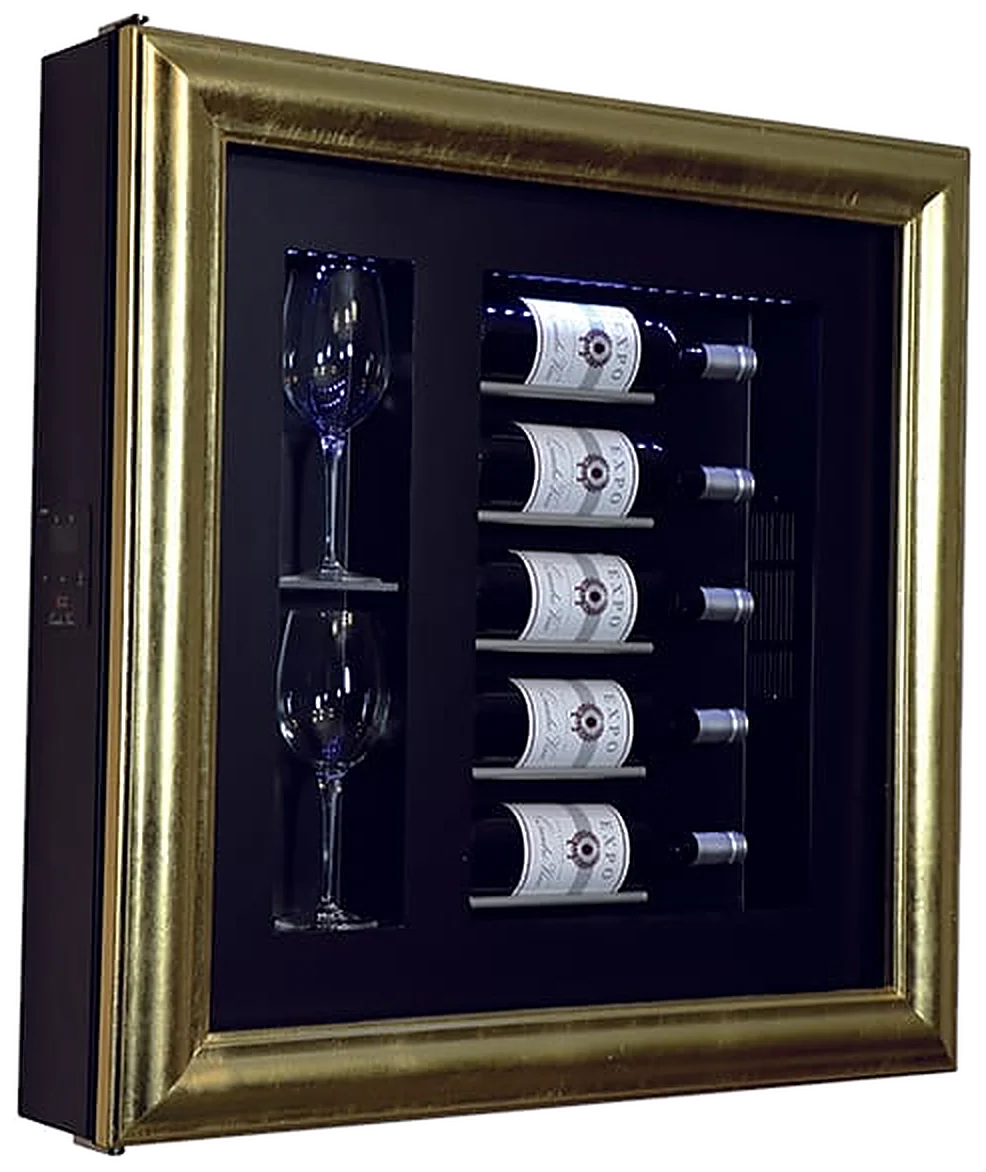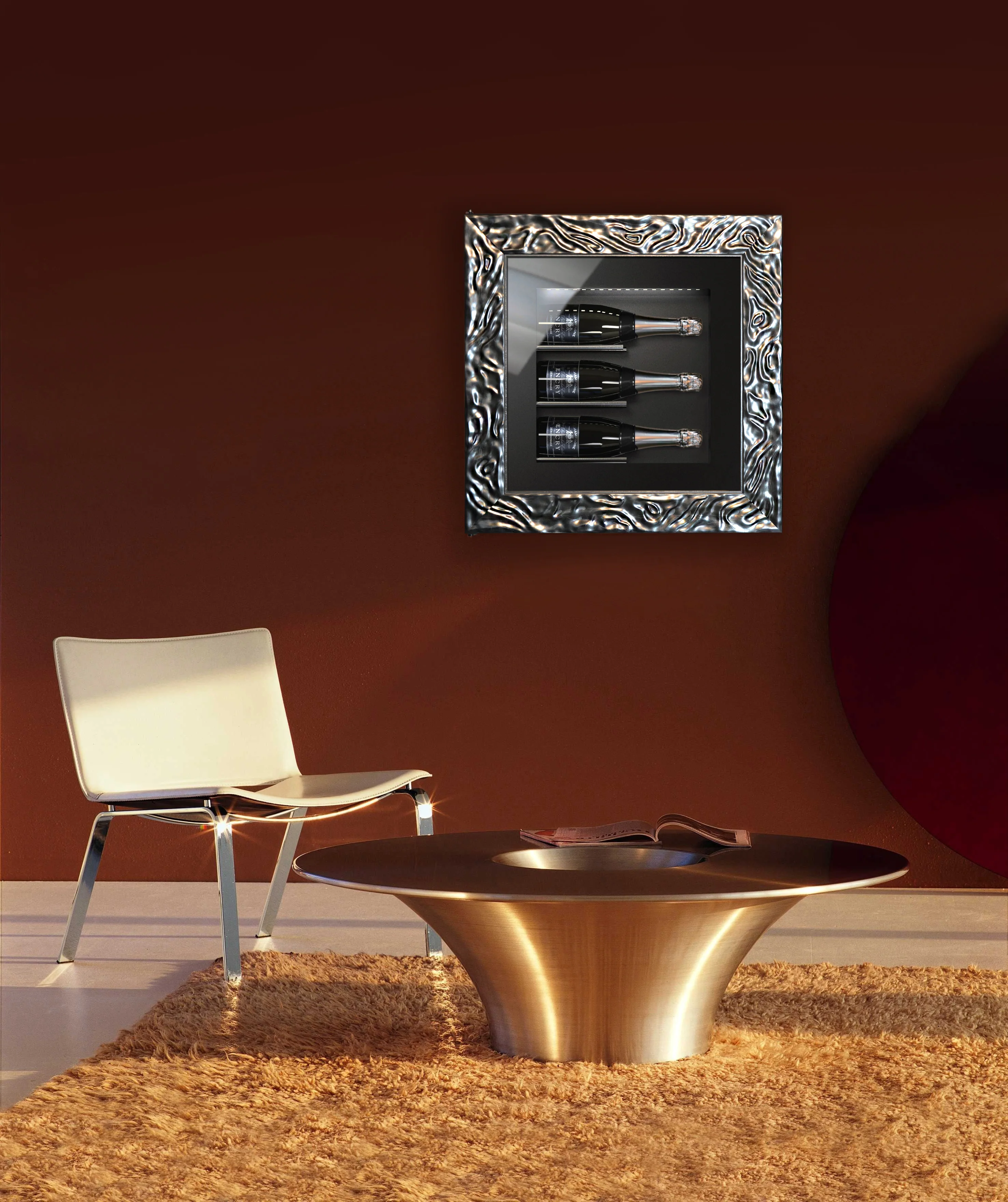
The choice of the minibar door divides hoteliers. On one hand, glass stimulates impulse buying; on the other, the solid door rules minimalist design and thermal insulation.
Key points
- Choose glass to maximize sales
- Choose solid door for insulation and minimal design
- Glass requires obsessive internal tidiness
- Evaluate internal LED lighting in both cases
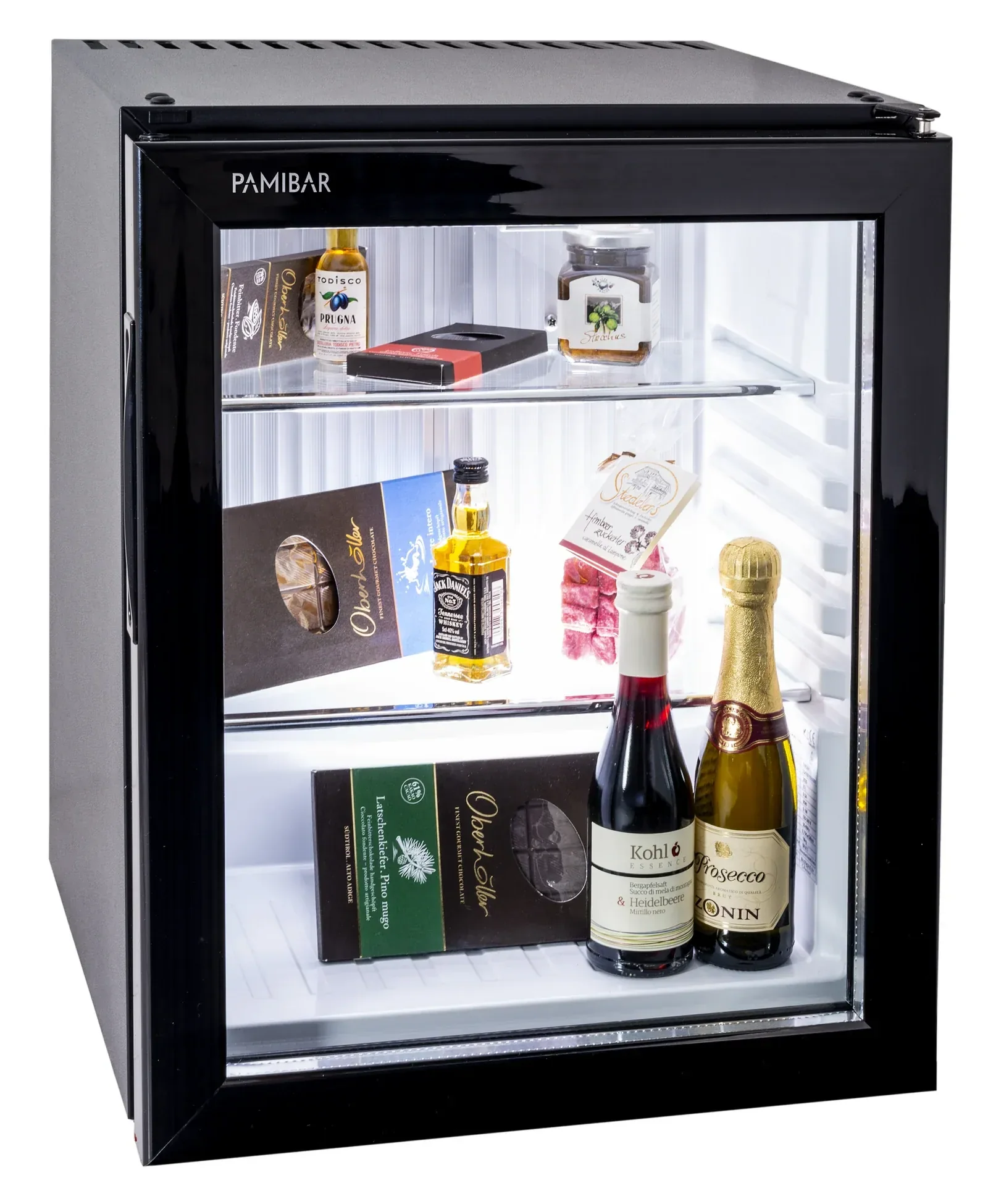
Seeing fresh, LED-illuminated products stimulates the desire to consume. Glass doors statistically increase minibar sales by lowering the psychological barrier of opening the fridge.
However, glass requires perfect internal tidiness from housekeeping. A messy minibar with a glass door conveys carelessness.
A closed door guarantees perfect thermal insulation, optimizing energy consumption. Moreover, the fridge disappears into the room's context, especially if equipped with wood paneling matching the furniture.
It is the preferred choice for luxury resorts aiming for a clean visual experience, without visible beverage logos.
Does a glass door make the minibar consume more energy?
Yes, glass has higher heat dispersion than the polyurethane of a solid door, marginally increasing consumption.
Can I apply a wood panel to the glass door?
No, drag hinges and full panelling are exclusively compatible with solid door models.