A minibar creates value when product, presentation and operations work together. Filling it is not enough: the hotel must design a small beverage service inside the room.
Key points
- Choose glass or solid doors around the strategy
- Keep the assortment clear and focused
- Manage price and serving temperature
- Design the minibar around operating procedures
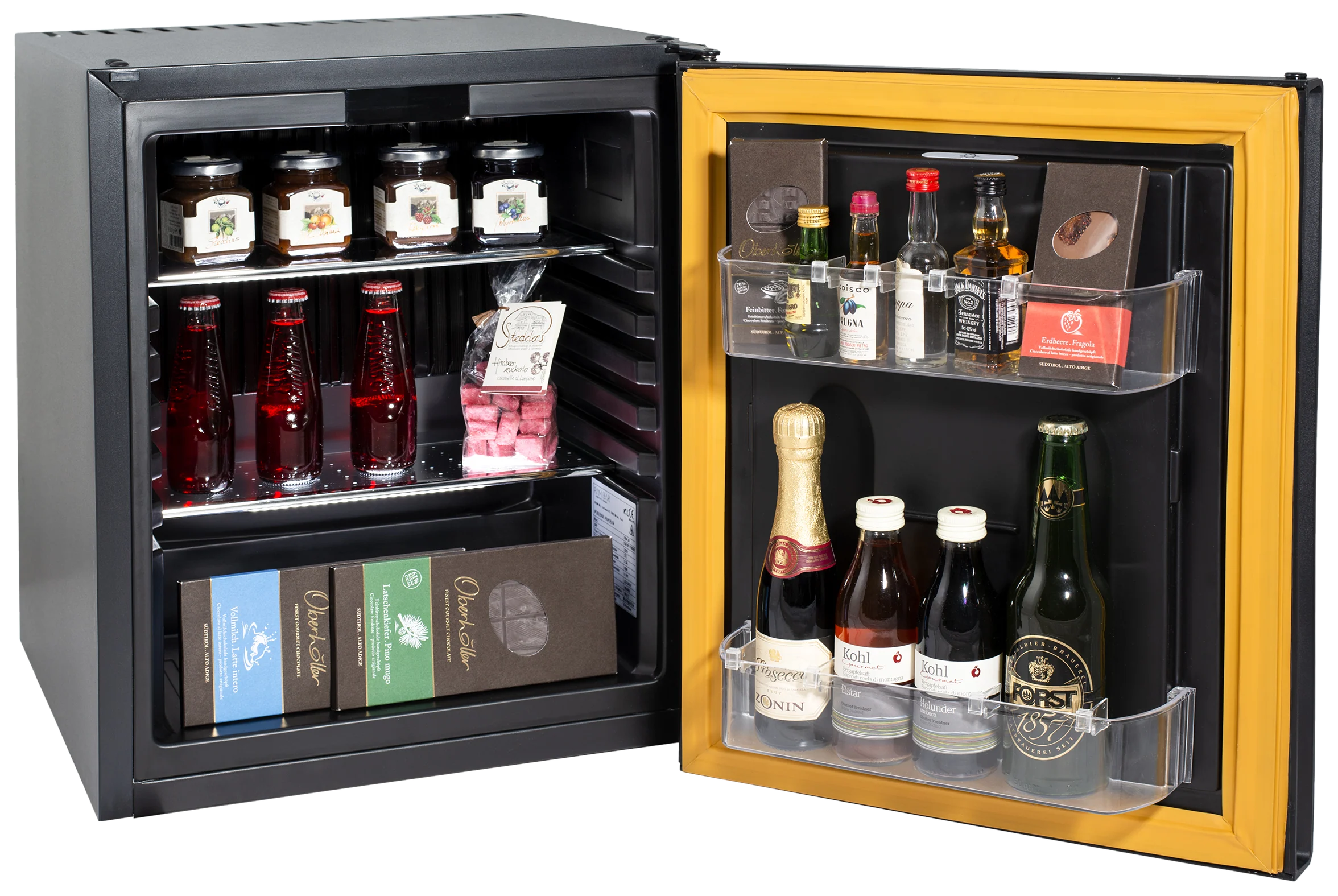
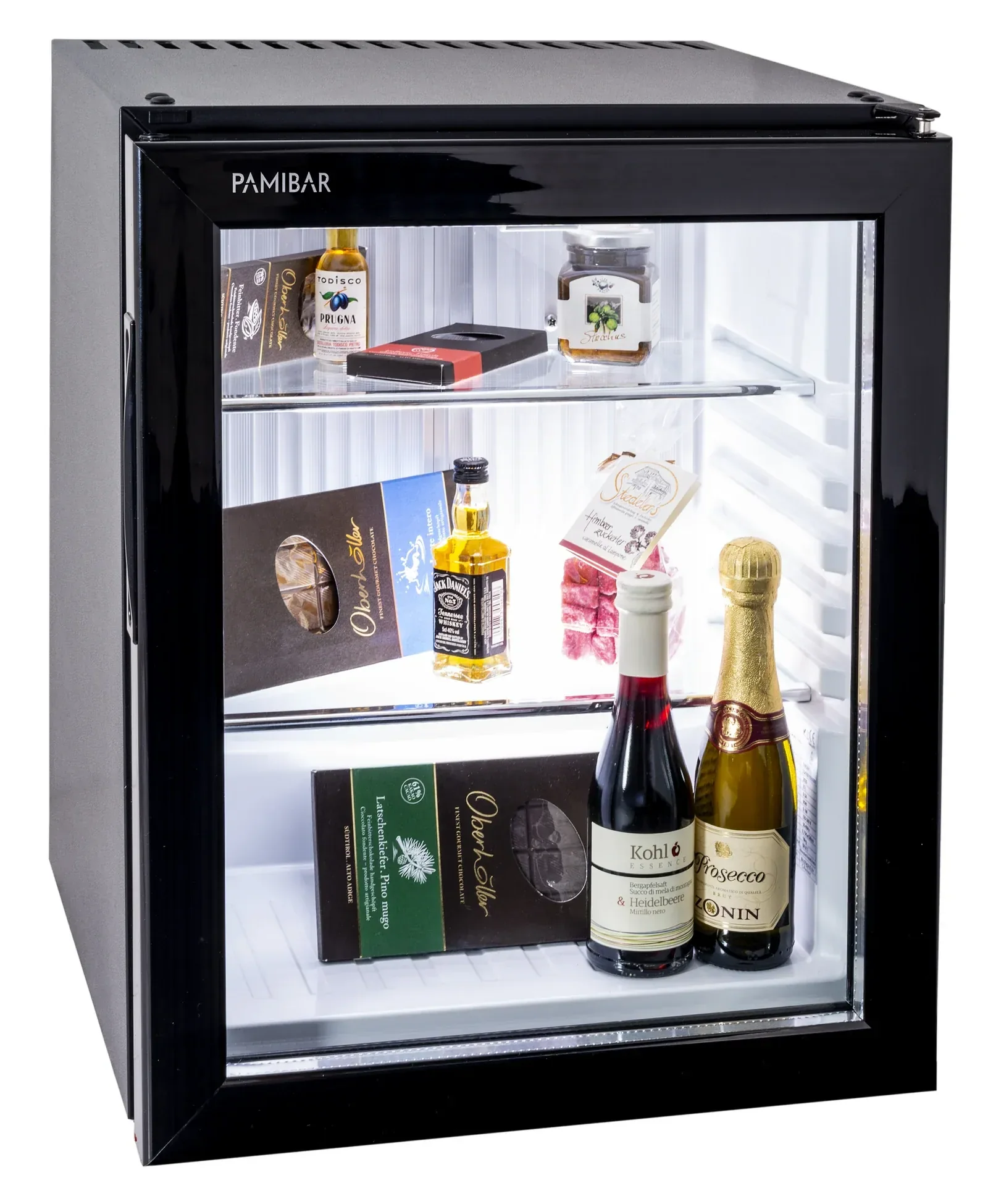
A glass door makes the contents immediate and can increase guest interaction with the assortment. A solid door remains more discreet and integrates more easily into minimal interiors.
The decision depends on placement and on the role beverage should play in the room experience.
An oversized assortment locks up stock and complicates control. A readable selection connected to the destination or room category makes decisions easier.
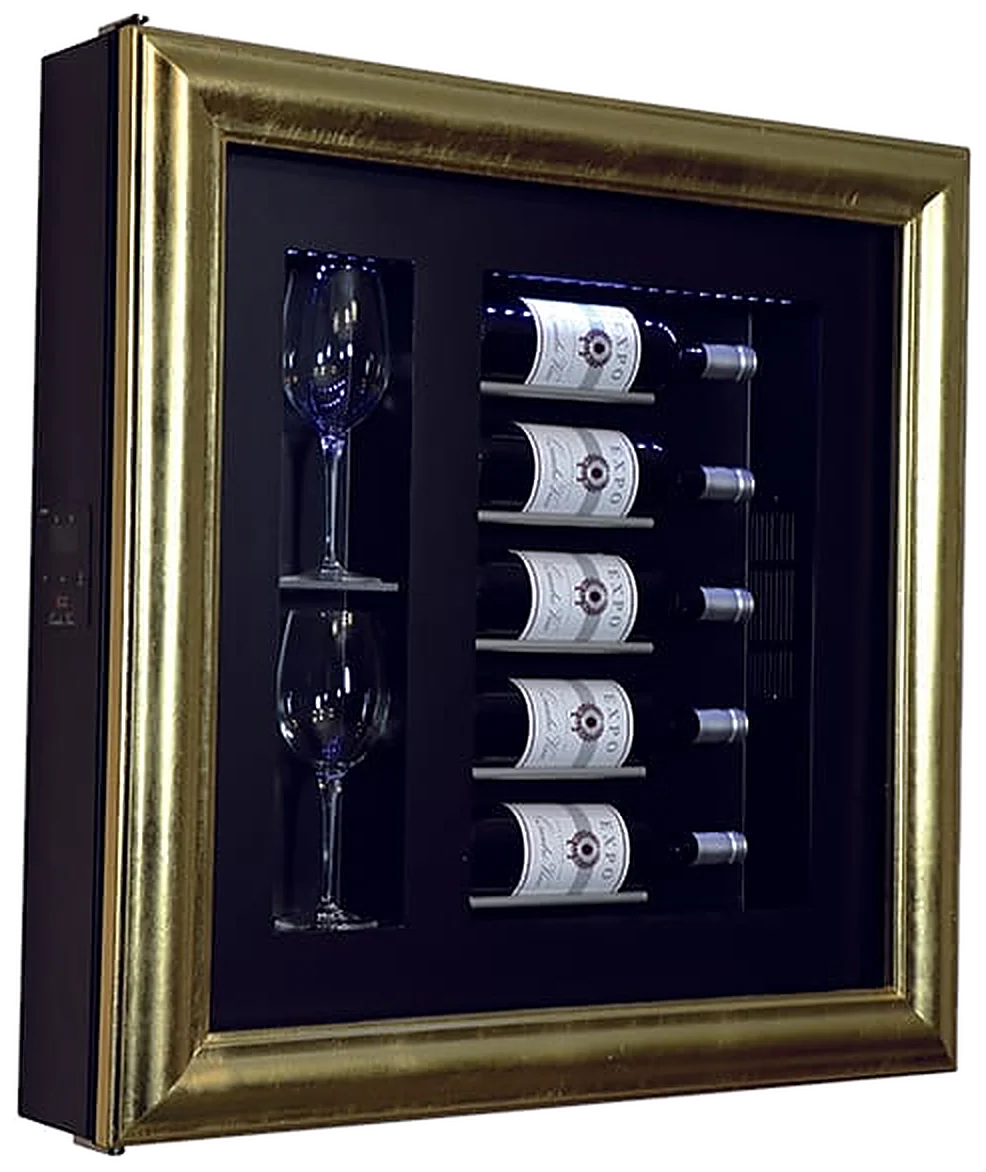
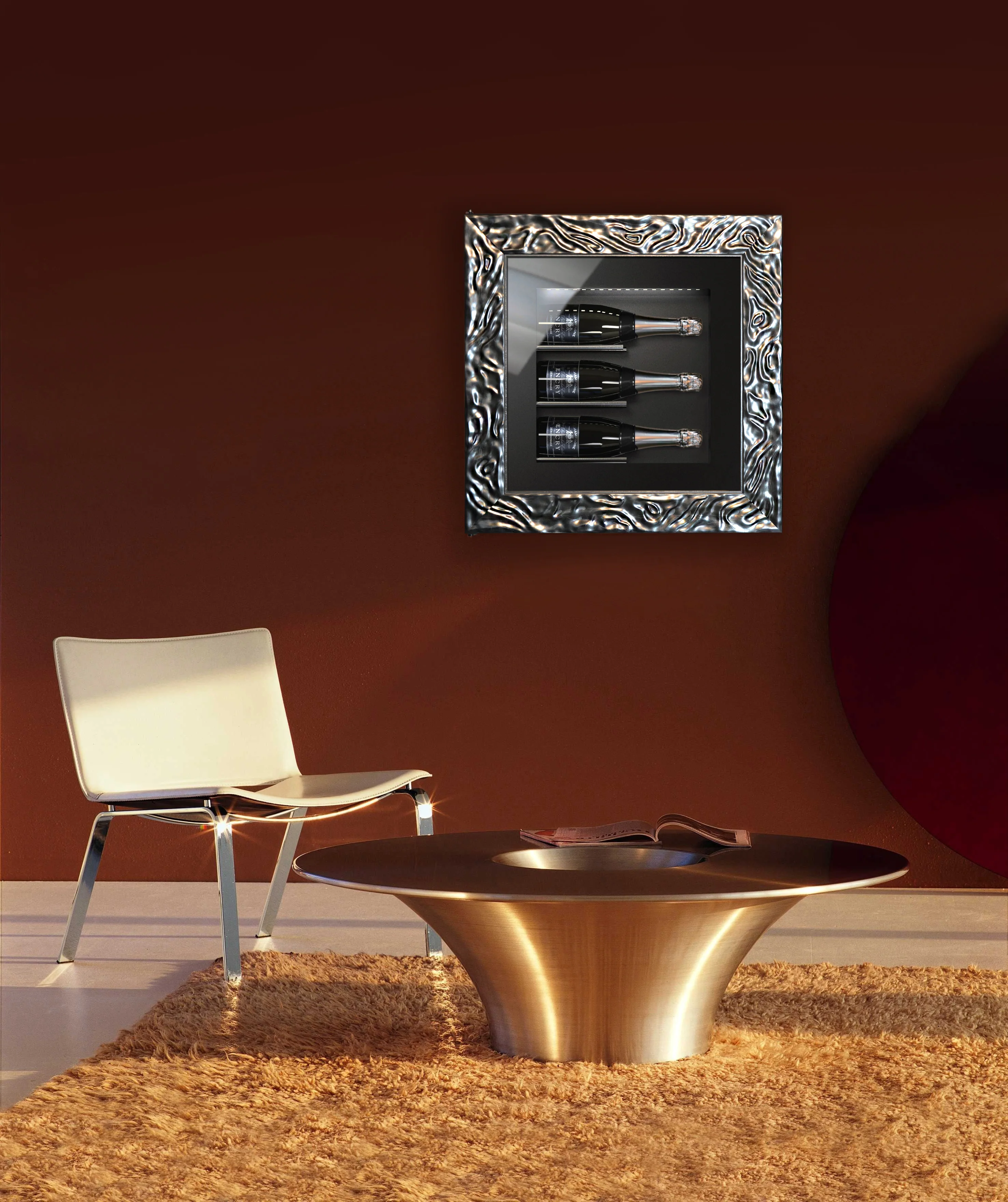
Clear pricing, correct formats and serving temperature complete the offer. For wine and champagne, a dedicated cooler makes the service more credible.
Inspection time, staff access, replenishment and tracking should be defined before installation. A spectacular model does not create margin if it slows housekeeping.
Capacity and internal layout therefore need to follow the hotel’s real procedure.
Does a glass door increase consumption?
It improves assortment visibility and can support upselling, particularly when products and prices are presented clearly.
How many products should a minibar contain?
There is no universal number. Selection should match capacity, room category, replenishment frequency and real demand.
When does an in-room wine cooler make sense?
In suites and superior rooms with a premium beverage offer where temperature and presentation are part of the service.